Málaga Monuments: History and Must-See Sites
Málaga is an Andalusian city that blends history, culture, and a unique Mediterranean atmosphere. Its streets are lined with Roman remains, Arab fortresses, and Christian buildings — offering visitors a journey through time via remarkable monuments. Alongside its rich architectural heritage, local gastronomy and vibrant cultural life make this city a must-visit destination for anyone eager to explore both the past and present of the Costa del Sol.
From hilltop castles to Renaissance cathedrals, every corner of Málaga preserves the legacy of the civilisations that shaped its character. Immerse yourself in its history, enjoy sea views, and discover monumental treasures that captivate every visitor.
Málaga’s Monumental Heritage
The province of Málaga is home to a wide range of historical buildings that reflect the legacy of various cultures over the centuries. Among the most notable are Arab fortresses, Christian temples, and Roman archaeological remains — all preserved to keep the city’s essence alive.
Gibralfaro Castle: History and Panoramic Views
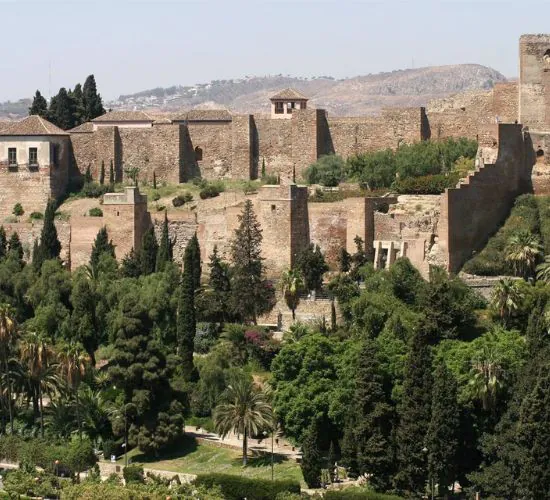
Dating back to the 14th century, Gibralfaro Castle was built to strengthen the defence of the Alcazaba. Strategically located on a hilltop, it provided a vantage point to oversee both the bay and the city, making it a key military stronghold. This defensive complex is one of the most iconic examples of Muslim architecture in Andalusia.
In addition to its historical value, the castle offers some of the best panoramic views of the city and coastline. Walking along its walls and gazing out over the Mediterranean from its towers is an experience that combines cultural depth with spectacular scenery.
How to Get to Gibralfaro Castle
You can walk up from the city centre via a steep path connected to the Alcazaba, or take bus line 35. Driving is also possible, although parking is limited.
What to See at the Castle
The castle’s walls and towers offer incredible viewpoints. There is also a visitor centre with exhibits on the military history of Gibralfaro and its strategic role in defending Málaga.
Opening Hours and Admission Fees
The castle is open daily, with hours that vary depending on the season. General admission is around €3.50. A combined ticket with the Alcazaba costs approximately €5.50. Entry is free on Sundays from 2:00 p.m.
The Cathedral of Málaga – 'La Manquita'
Popularly known as “La Manquita” (“the one-armed lady”) due to its unfinished south tower, Málaga Cathedral began construction in the 16th century on the site of a former mosque. It features a blend of Gothic, Renaissance, and Baroque styles and is considered one of the region’s architectural gems — a true symbol of the city.
Despite its incomplete second tower, the cathedral stands as a major Catholic landmark and artistic treasure, housing valuable artworks and an intricately carved choir.
History and Curiosities
Legend has it that the south tower was never completed due to lack of funds. This earned the cathedral its nickname. Construction spanned several centuries, and its architectural mix reflects Málaga’s historical phases.
Interior and Religious Art
Inside, highlights include the choir stalls carved by Pedro de Mena, richly decorated altarpieces, and various chapels featuring sculptures and paintings from the Andalusian school.
Cathedral Rooftop Viewpoint
Visitors can take guided tours to the rooftop, which offers breathtaking views over the historic centre and the coastline.
The Alcazaba: The Best-Preserved Arab Fortress
Built in the 11th century, the Alcazaba of Málaga is one of the most outstanding Moorish fortresses in Spain. Its primary function was to protect and accommodate the authorities of the Muslim period. Its walls and gardens reflect the architectural influence of Al-Andalus.
Thanks to its strategic location, the Alcazaba controlled both maritime and land access, becoming the city’s most important defensive structure during Islamic rule.
Muslim Heritage and Historical Significance
Connected to Gibralfaro Castle, the Alcazaba formed part of a unique defensive system. It played a vital role in guarding the port and the surrounding inland areas of Málaga.
Visitor Routes and Tips
It’s best to visit early in the morning or late in the afternoon to avoid the heat. Walk through the gardens, arches and passageways to fully experience the Moorish atmosphere of the fortress.
The Roman Theatre: A Relic of Roman Málaga
Built in the 1st century BC during the Roman Empire, this theatre remained buried beneath the city until it was discovered in 1951. It is the most significant remnant of Roman Hispania in Málaga and a testament to the city’s cultural relevance during antiquity.
After its excavation, the theatre was restored for preservation. Today, it hosts cultural and artistic events, maintaining its original use as a performance space.
History and Restoration
Its construction is attributed to the time of Emperor Augustus. During restoration, the original structure was carefully preserved while reconstructed elements were added to improve public understanding.
How to Visit
Admission is free, and the site includes a visitor centre explaining the theatre’s role in Roman Málaga and its historical development.
Picasso’s Birthplace Museum
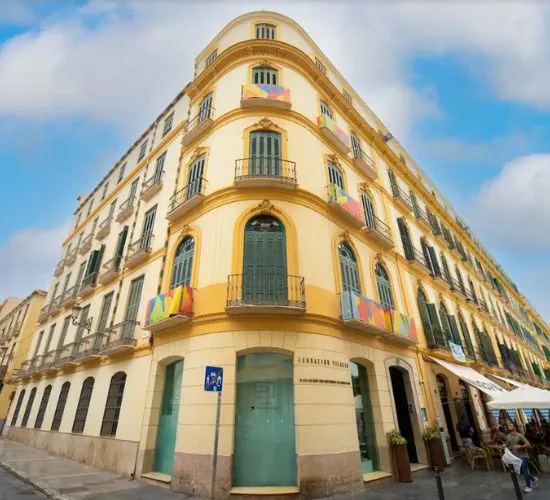
The renowned painter Pablo Picasso was born in Málaga in 1881, and his birthplace has been turned into a museum dedicated to his early years. Visitors can explore photographs, personal belongings and documents that portray the artist’s childhood.
The city pays tribute to the father of Cubism, whose legacy continues to inspire artists worldwide. Visiting this site is essential for understanding his roots and the influence of Málaga’s culture on his work.
What to See at Picasso’s Birthplace
The museum displays permanent collections and temporary exhibitions that explore Picasso’s early career, alongside family items and reproductions of his first creations.
La Farola de Málaga: A Unique Coastal Landmark
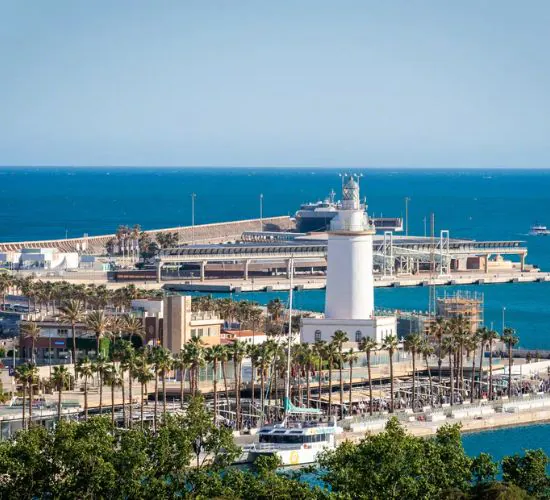
Inaugurated in 1817, “La Farola” is one of the few lighthouses in Spain with a feminine name. Located along the seafront promenade by the port, it contributes to Málaga’s iconic coastal skyline.
It retains its original structure, modernised to meet current maritime navigation needs. The lighthouse is a symbol of the city’s long-standing seafaring tradition.
Location and Access
La Farola is located on Paseo de la Farola, in the Port of Málaga. While the interior is not open to visitors, the surrounding area is perfect for a scenic walk by the sea.
Plaza de la Merced and the “Cenachero” Sculpture
Plaza de la Merced is one of Málaga’s cultural and historical hubs. Surrounded by cafés and shops, it’s also home to Picasso’s birthplace.
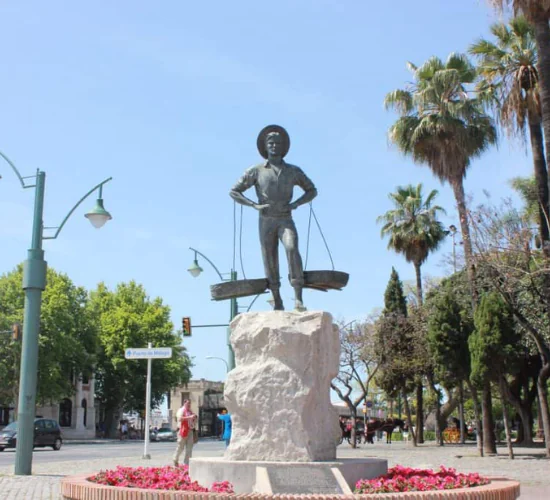
The “Cenachero” sculpture represents a traditional fish seller who carried baskets (cenachos) on his shoulders — a symbol of the city’s seafaring heritage.
History and Significance of the Square
The square has long served as a gathering place for artists and the setting for important historical events. Today, it’s a lively spot with outdoor terraces and cultural activities.
Meaning of the Sculpture
The “Cenachero” embodies the spirit of Málaga’s maritime identity, paying tribute to a trade that’s deeply rooted in the local culture.
Other Notable Monuments in Málaga
In addition to its major landmarks, the city is home to other historical and cultural sites that enrich its heritage. Below are some of the most significant:
Torrijos Monument
Located in Plaza de la Merced, the Torrijos obelisk commemorates José María Torrijos and his companions, executed in 1831 for defending liberal ideals. It stands as a symbol of the fight for freedom in Spanish history.
Its placement next to Picasso’s birthplace connects the city’s political past with its contemporary artistic identity.

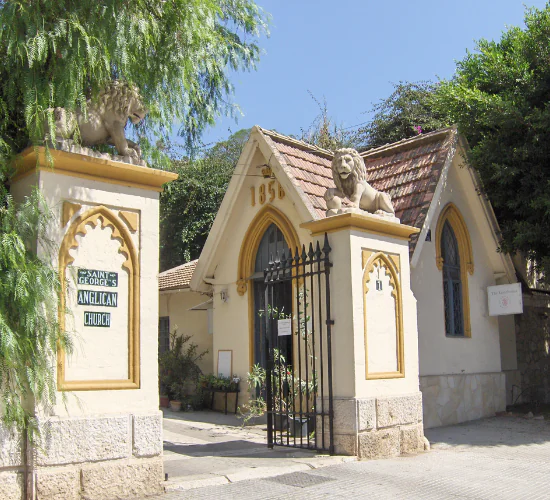
The English Cemetery: A Place of History and Mystery
Founded in 1831, it was the first Protestant cemetery on the Iberian Peninsula. It holds the graves of many notable British and foreign residents who made Málaga their home.
Its tree-lined paths and antique tombstones create a romantic, peaceful setting ideal for quiet reflection.
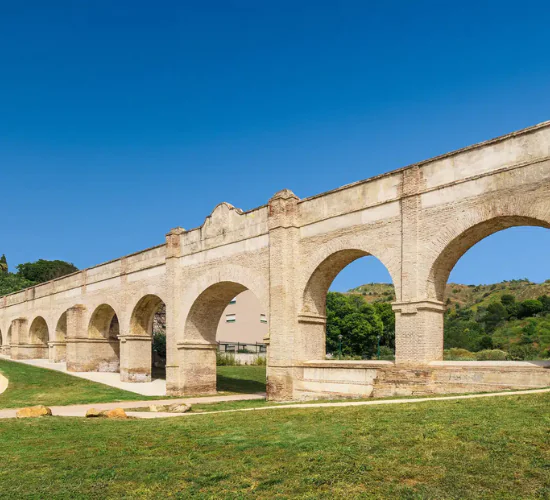
San Telmo Aqueduct
A remarkable feat of 18th-century engineering, the aqueduct was built to carry water from the Guadalmedina River to the city, ensuring a steady water supply for Málaga’s growing population. It’s one of Andalusia’s most notable aqueducts.
Some sections remain visible today, offering insight into the historical importance of water infrastructure in urban development.
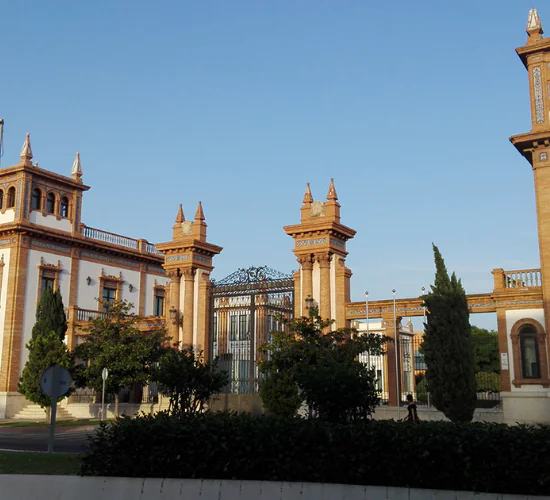
Old Tobacco Factory: Málaga’s Industrial Heritage
Dating from the 19th century, this factory was once a key economic driver in the city. Although it’s no longer operational, parts of the complex have been preserved to reflect Málaga’s industrial history.
Today, the site has been repurposed for offices and other uses, blending historical legacy with modern utility.
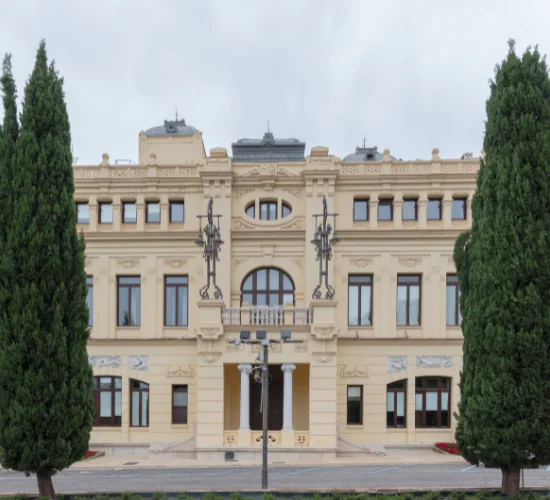
Málaga City Hall and Its Neobaroque Architecture
Inaugurated in 1919, Málaga’s City Hall is a prominent example of neobaroque style. Its ornate façade stands beside the city’s central park.
The interior hosts official ceremonies and protocol events, making it a building of both architectural and institutional interest.
Why Málaga Is a City with Such Monumental Wealth
Málaga’s strategic position on the Mediterranean coast made it a crossroads of civilisations. Phoenicians, Romans, Moors and Christians all left their mark. This cultural blend is clearly reflected in the city’s architecture, resulting in a vast heritage that spans centuries of history.
Best Time of Year for Cultural Tourism in Málaga
Spring and autumn are usually the most pleasant times to explore the city’s monuments, thanks to mild temperatures and fewer tourists. These seasons allow for more relaxed and comfortable visits.
In summer, the heat can be intense, so it’s advisable to plan visits early in the morning or at sunset. Winter, while cooler, offers a peaceful atmosphere with fewer crowds.
Where to Stay Near Málaga’s Monuments
The Historic Centre, Soho and La Malagueta districts are ideal for staying close to the city’s main monuments, allowing easy access on foot. These areas also offer a wide range of restaurants, entertainment and shops.
Living4Málaga holiday apartments provide comfortable, well-equipped accommodation, allowing visitors to enjoy the city with complete independence. Their strategic locations make it easy to explore Málaga’s rich monumental heritage.
If you’re looking for a more complete experience, you can enjoy a full guided tour of Málaga to explore the monuments and their fascinating history in more detail.

